No products in the cart.
Scholarships for disadvantaged young people
A growing body of research shows that children and young people in rural areas continue to face serious difficulties, mainly because of poverty, inadequate infrastructure and limited opportunities for economic and community development.
Poverty means that half of children in rural areas leave school after completing eight years of education. Some work from dawn to dusk in the fields or looking after livestock.
Others, despite their young age, travel to school in the morning and then work at home until they are exhausted. When it comes to continuing their education in a town or city, some parents refuse: they need their children’s help at home.
Funded entirely by donors and sponsors, with its main supporter being Kaufland Romania, FSC has been running a scholarship programme for over 10 years. Its results and impact have significantly improved access to education for more than 250 pupils from disadvantaged rural communities in eastern Bacău County.
Alongside financial support through scholarships of 200–250 lei per pupil, young people receive counselling and educational and psychological support. This helps them adjust to life in a town or city and improve their school performance. They are also encouraged to volunteer and supported in making decisions about their future careers.
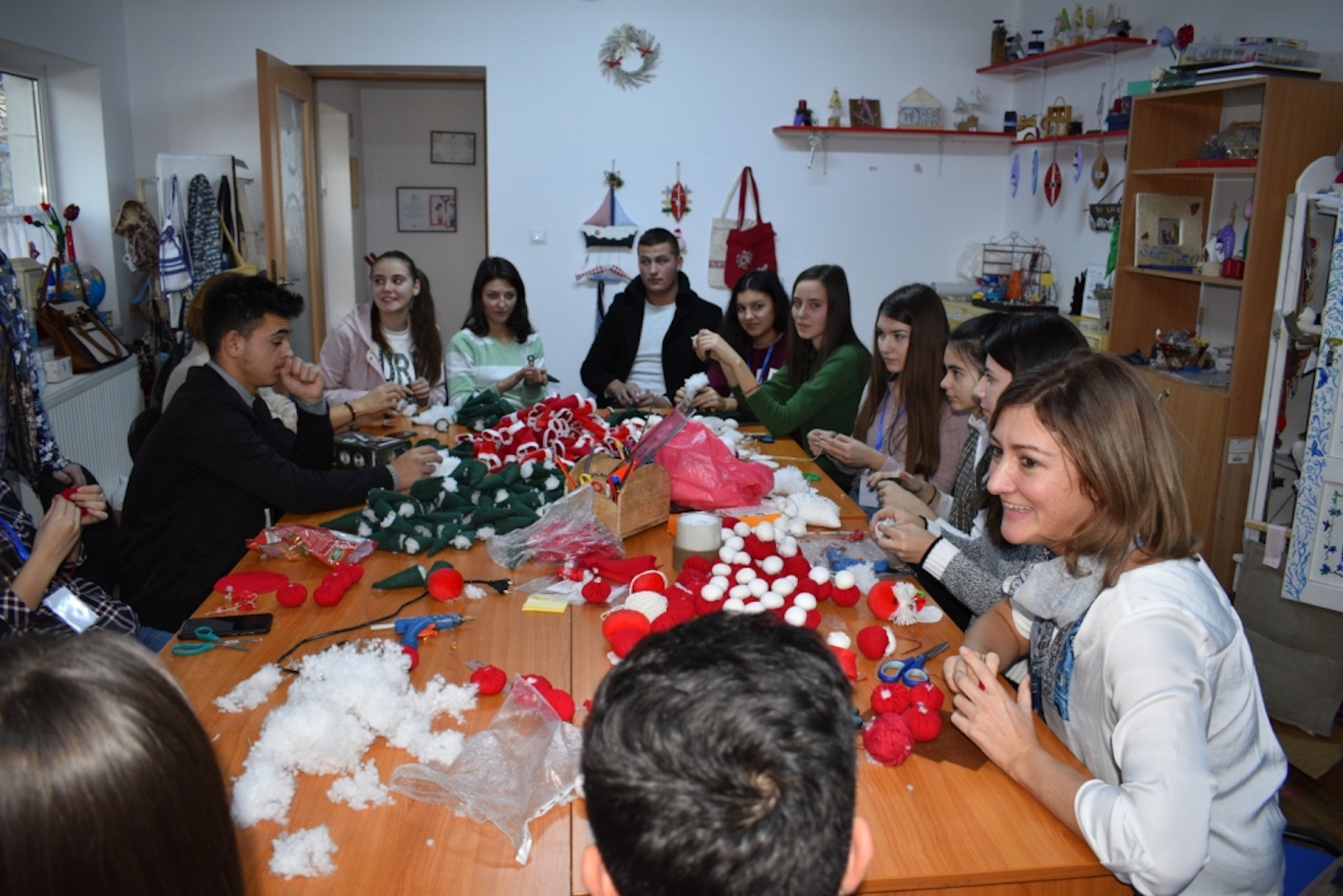
Support also includes educational and career guidance. Our procedures have been continually clarified and adapted to the needs of the young people we support. Today, FSC’s scholarship programme is one of the country’s best-established programmes of its kind. Its excellent completion rate, the declining number of pupils leaving school each year and the increasing proportion completing secondary school with a Baccalaureate diploma all demonstrate its effectiveness.
Around 60 young people benefit from the programme each year.
Partners and funders
Kaufland Romania, Agricola and several individual donors from Romania, Norway and the United Kingdom, including the following people, whom we would like to thank: Gabi Radley, Tudor Rosu, Cristina Lauer, Dr. Georgeta Huszar, Alina Berea, Gabriela Chiribau and Colin William.